
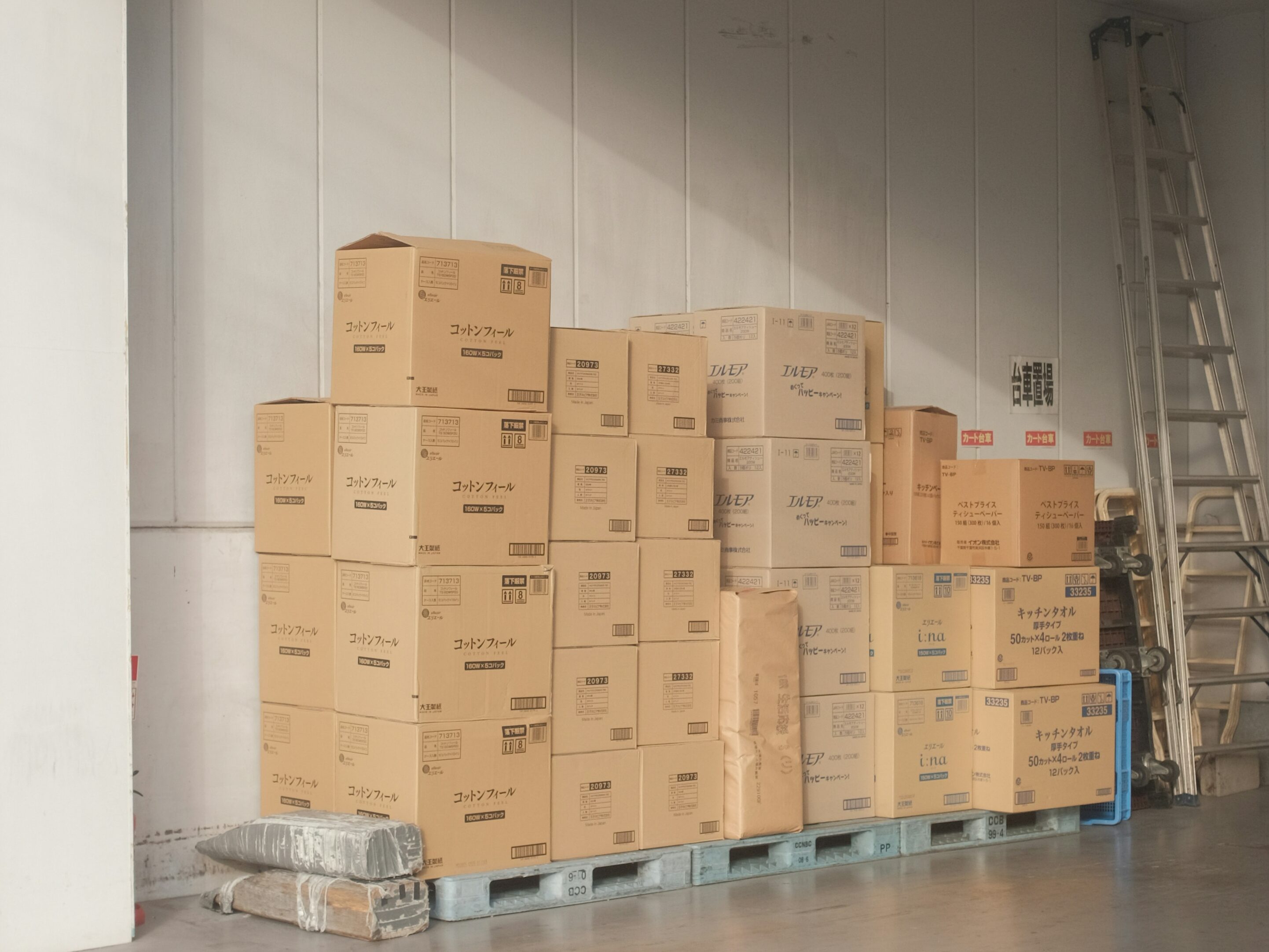
Packing a storage unit may seem simple at first—just stack your boxes and walk away—but doing it the wrong way can lead to damaged furniture, broken items, and wasted space. Whether you’re downsizing, moving, renovating, or storing business inventory, knowing how to properly pack a storage unit saves time, money, and frustration. A well-packed unit keeps your belongings safe, accessible, and in excellent condition for as long as they stay in storage.
For homeowners in Central Florida, storage often goes hand-in-hand with moving or home maintenance. Just like you’d rely on Orlando Pest Control for ongoing prevention and protection against unwanted insects and pests in your home, packing your storage unit correctly is a form of preventive care for your belongings. Using Orlando Pest Control before storing items helps reduce the risk of insects being packed away with your furniture and boxes, while smart storage packing protects your valuables from damage, moisture, and deterioration. When done right, both pest control and proper packing work together to preserve your property, keep everything organized, and give you long-term peace of mind.
1. Choose the Right Storage Unit Size
Before you start packing, select a unit that fits your needs. A unit that’s too small will force you to stack dangerously high, while one that’s too large wastes money.
General size guide:
- 5×5 – Small closet-sized unit, great for boxes and small furniture
- 5×10 – One-bedroom apartment contents
- 10×10 – Two-bedroom home
- 10×20 – Three to four-bedroom home
- 10×30 – Large homes or business storage
When in doubt, go slightly bigger. Extra space makes packing safer and gives you room to move inside the unit.
2. Use Uniform, High-Quality Boxes
Uniform boxes stack more easily and prevent tipping. Use sturdy moving boxes rather than reused grocery boxes, which can collapse under weight.
Best box choices:
- Small boxes for books and heavy items
- Medium boxes for kitchen goods and decor
- Large boxes for lightweight items like linens and clothing
- Wardrobe boxes for hanging clothes
Label every box on at least two sides with:
- Contents
- Room it belongs to
- “Fragile” if necessary
This makes future retrieval simple and prevents unnecessary digging.
3. Prepare Items Before Storage
Never store dirty or damp items. Clean and dry everything first to prevent mold, odors, and pests.
Preparation tips:
- Wash and dry clothing and linens
- Wipe down furniture
- Defrost and clean refrigerators
- Drain fuel from lawn equipment
- Remove batteries from electronics
Wrap furniture using:
- Moving blankets
- Stretch wrap
- Mattress covers
Avoid plastic wrap directly on wooden furniture—it can trap moisture.
4. Disassemble Large Furniture
Disassembling furniture saves space and prevents breakage.
Items to disassemble:
- Bed frames
- Dining tables
- Shelving units
- Desks
Place screws and hardware in labeled ziplock bags and tape them to the furniture item they belong to.
Store furniture vertically when possible to maximize floor space.
5. Create a Packing Plan Before Loading
Think of your storage unit like a puzzle. Plan where everything will go before you start unloading.
Heaviest items go:
- Against the back wall
- On the floor
- At the bottom of stacks
Lighter items go:
- On top
- Toward the front
Leave a narrow walkway so you can access boxes later without unloading the entire unit.
6. Use Pallets or Plastic Sheets
Never place items directly on the storage floor. Even climate-controlled units can have minor moisture.
Place:
- Wooden pallets
- Plastic tarps
- Cardboard sheets
This protects boxes and furniture from water damage and promotes airflow.
7. Pack by Priority of Access
If you’ll need certain items during storage, keep them near the front:
- Seasonal clothes
- Tools
- Important documents
- Holiday decorations
Items you won’t need soon can go toward the back:
- Furniture
- Large appliances
- Archived boxes
This saves you time later and prevents unnecessary heavy lifting.
8. Stack Smartly and Safely
Stack boxes in columns, not pyramids.
Rules for stacking:
- Heavy boxes on bottom
- Light boxes on top
- Keep stacks below shoulder height
- Keep fragile items separate
Place mattresses upright along the wall. Store sofas vertically to save space.
9. Protect Fragile Items Carefully
Wrap fragile items individually:
- Dishes with packing paper
- Glassware with bubble wrap
- Mirrors and artwork in cardboard sleeves
Label clearly and stack upright, never flat.
Use dish packs for kitchen items and double-box valuable pieces.
10. Store Appliances the Right Way
Appliances need special care:
- Clean and dry thoroughly
- Leave doors slightly open
- Wrap cords and tape them securely
Store refrigerators and washers upright, never on their sides.
11. Use Climate-Controlled Storage in Florida
Florida’s heat and humidity can damage:
- Wood furniture
- Electronics
- Documents
- Photos
- Leather items
Climate-controlled units prevent:
- Mold growth
- Warping
- Rust
- Cracking
Packing a storage unit the right way is about strategy, protection, and organization. With the right supplies, planning, and attention to detail, your storage unit becomes an extension of your home—safe, accessible, and efficient.
Whether you’re storing for a few weeks or several years, doing it correctly the first time prevents damage, saves money, and gives you peace of mind. A properly packed storage unit isn’t just storage—it’s security for your belongings and your future plans.