
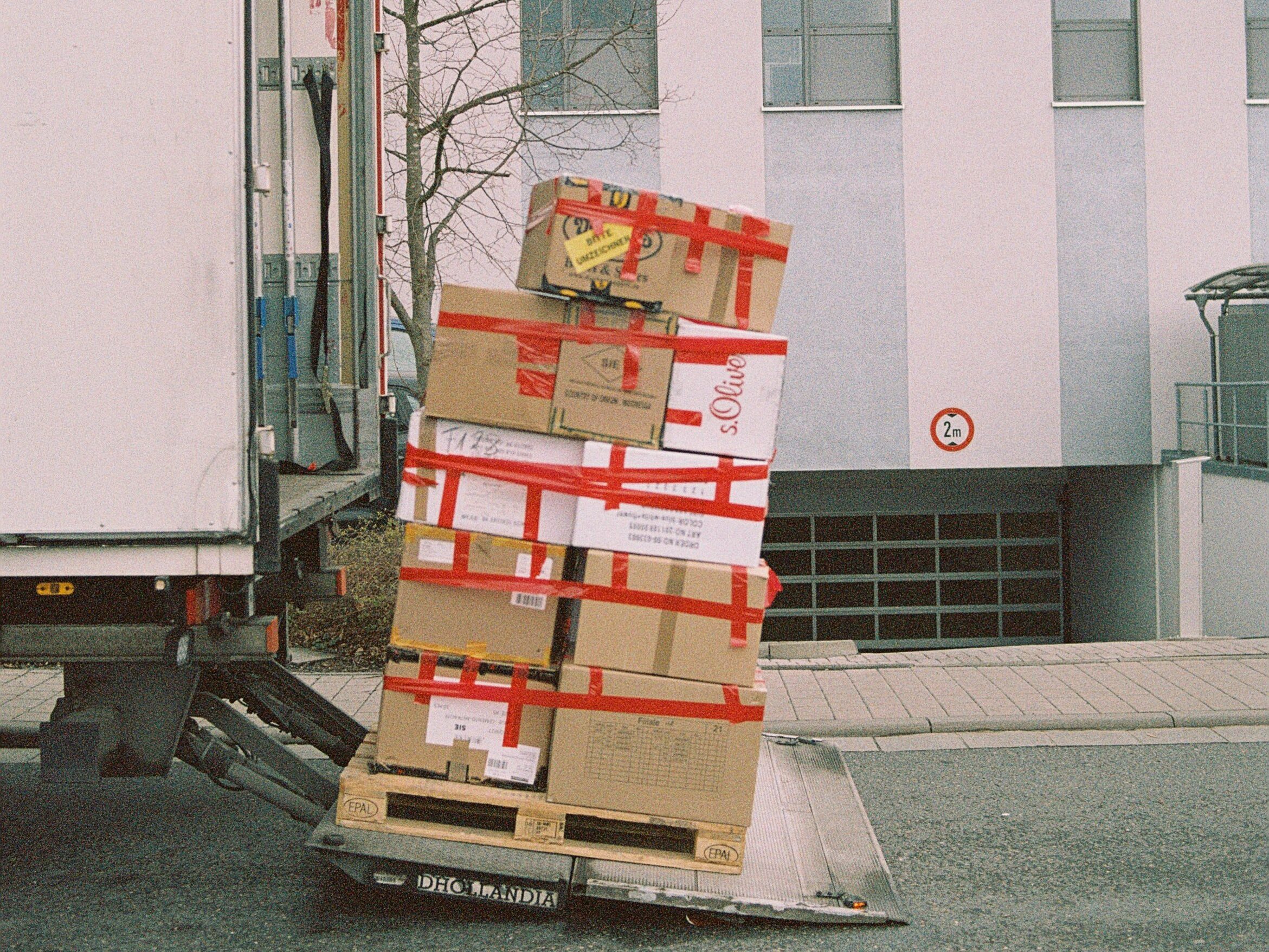
Moving is already stressful enough without discovering that your favorite sofa, dining table, or antique dresser has been damaged by moisture or mold. Unfortunately, furniture is especially vulnerable during a move. Changes in temperature, humidity, rain exposure, and improper packing can all create the perfect conditions for moisture buildup and mold growth. Once mold forms, it can permanently stain materials, weaken structural integrity, and pose health risks.
Whether you’re moving locally or long distance, protecting your furniture from moisture and mold should be a top priority. With the right preparation, materials, and techniques, you can keep your belongings safe and in excellent condition throughout the entire moving process.
This guide will walk you through everything you need to know, from understanding the risks to packing methods, storage precautions, and post-move inspections.
Why Moisture and Mold Are So Dangerous to Furniture
Moisture is the main ingredient mold needs to grow. Add warmth and organic materials like wood, fabric, or leather, and mold can begin developing in as little as 24 to 48 hours. During a move, furniture is often wrapped tightly, stored in enclosed spaces, or exposed to fluctuating temperatures, which can trap moisture and accelerate mold growth.
Different materials are affected in different ways:
- Wood furniture can warp, crack, swell, or develop black mold stains.
- Upholstered furniture can absorb moisture deep into cushions and padding, making mold hard to detect and remove.
- Leather furniture can become stiff, cracked, and permanently discolored.
- Metal furniture may rust when exposed to humidity.
- Particleboard or MDF furniture is especially vulnerable and can crumble when exposed to moisture.
Understanding these risks helps you take proactive steps instead of reacting to damage after the move.
Step 1: Start with Thorough Cleaning
Before you pack anything, clean all your furniture. Dirt, oils, food residue, and spills can attract moisture and provide nutrients for mold spores.
For different materials:
- Wood furniture: Wipe with a gentle wood cleaner and dry thoroughly.
- Upholstery: Vacuum cushions, seams, and crevices. Consider steam cleaning if time allows, but make sure it dries completely.
- Leather: Clean with a leather-safe cleaner and apply a conditioner.
- Metal: Wipe down and ensure surfaces are dry.
- Glass and plastic: Clean and dry as usual.
Never pack furniture that is even slightly damp. Moisture trapped during packing is one of the most common causes of mold during a move.
Step 2: Let Everything Dry Completely
This step is critical. After cleaning, give your furniture time to air dry. Open windows, use fans, or run a dehumidifier if necessary. Pay special attention to:
- Cushion interiors
- Drawer interiors
- Undersides of tables and chairs
- Joints and seams
If furniture feels cool to the touch, it may still contain moisture. Wait until it feels dry and room temperature before packing.
Step 3: Use the Right Packing Materials
Using the wrong packing materials can trap moisture and cause damage. Choose materials that protect while allowing airflow when needed.
Best Materials for Moisture Protection
- Moving blankets: Protect against scratches while allowing breathability.
- Plastic stretch wrap: Good for keeping blankets in place, but never wrap furniture directly in plastic without a breathable layer underneath.
- Corrugated cardboard: Allows some airflow and is useful for extra protection.
- Silica gel or moisture absorbers: Place inside drawers and around furniture.
- Furniture covers (breathable fabric): Ideal for long-distance moves and storage.
What to Avoid
- Wrapping furniture directly in plastic
- Sealing items airtight
- Using damp blankets or pads
- Reusing packaging that smells musty
Plastic traps condensation, especially during temperature changes, creating a perfect mold environment.
Step 4: Protect Upholstered Furniture Carefully
Upholstery is especially prone to mold because fabric and foam absorb moisture easily.
Here’s how to protect it:
- Cover furniture with a clean, dry moving blanket.
- Wrap lightly with plastic stretch wrap to hold the blanket in place, leaving small gaps for airflow.
- Place moisture absorbers near cushions.
- Keep upholstered furniture off the ground when loading if conditions are wet.
- Avoid stacking heavy items on top, which can trap moisture.
If rain is expected, load upholstered items last and unload them first.
Step 5: Safeguard Wooden Furniture
Wood expands and contracts with humidity. Protecting it requires balance between coverage and breathability.
- Wrap in moving blankets
- Add a layer of cardboard for corners
- Use stretch wrap over blankets only
- Place silica gel packs inside drawers
- Remove drawers if possible and wrap separately
For antique or delicate wood pieces, consider custom crating for maximum protection.
Step 6: Handle Mattresses and Rugs Properly
Mattresses and rugs are extremely susceptible to mold.
- Use breathable mattress bags, not heavy plastic.
- Never place mattresses directly on wet ground.
- Make sure rugs are completely dry before rolling.
- Wrap rugs in breathable fabric and add moisture absorbers.
If either gets wet during the move, unpack and dry immediately.
Step 7: Plan for Weather Conditions
Always check the weather forecast before moving day. Rain and high humidity dramatically increase moisture risks.
If rain is expected:
- Lay plastic sheeting on floors and walkways
- Use waterproof covers during loading
- Keep towels and tarps on hand
- Load moisture-sensitive items last
- Unload them first at the new location
If it’s hot and humid:
- Avoid sealing furniture tightly
- Use dehumidifiers in trucks and storage units when possible
- Increase ventilation
Step 8: Protect Furniture Inside the Moving Truck
Moving trucks can trap humidity, especially overnight or during long trips.
Tips for truck protection:
- Use desiccant packs throughout the truck
- Keep air circulation if possible
- Avoid loading wet items
- Do not pack plants, damp clothing, or liquids near furniture
- Elevate furniture on pallets if moving in heavy rain
Long-distance moves require extra care because furniture may sit inside a closed truck for days.
Step 9: Be Extra Careful with Storage Units
If your move involves storage, moisture protection becomes even more important.
Choose a unit that is:
- Climate-controlled
- Well-ventilated
- Clean and dry
- Raised off the ground
Inside the unit:
- Place furniture on pallets
- Leave space between items and walls
- Do not stack items too tightly
- Use moisture absorbers and dehumidifiers
- Avoid plastic-only wrapping
Check the unit periodically if possible.
Step 10: Special Considerations for Leather Furniture
Leather is sensitive to both dryness and humidity.
- Clean and condition before packing
- Wrap in breathable blankets
- Avoid plastic touching the leather directly
- Keep away from heat sources
- Unpack as soon as possible
Excess moisture causes mold, while too little can cause cracking.
Protecting your furniture from moisture and mold during a move is all about preparation, materials, and awareness. Moisture damage doesn’t usually happen because of one big mistake—it happens because of several small oversights that add up.
By cleaning and drying furniture thoroughly, using breathable packing materials, planning for weather conditions, managing humidity in trucks and storage units, and unpacking quickly, you can dramatically reduce your risk of damage. Your furniture represents both financial value and personal memories, and taking the extra steps to protect it ensures it arrives in your new home in the same condition it left your old one.
A move should mark a fresh beginning, not the start of costly repairs or replacements. With the strategies in this guide, you can move confidently knowing your furniture is safe from moisture and mold every step of the way.